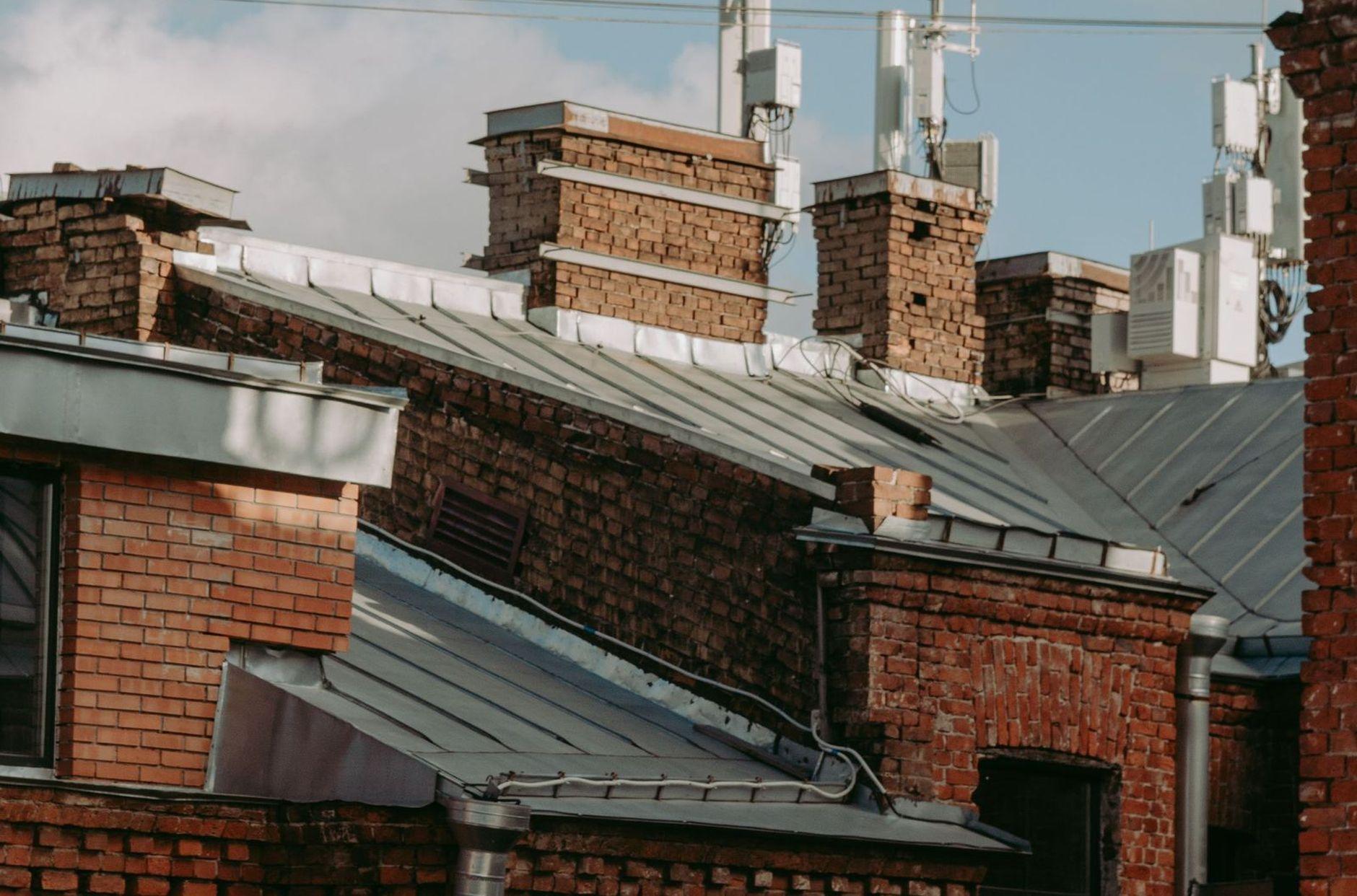
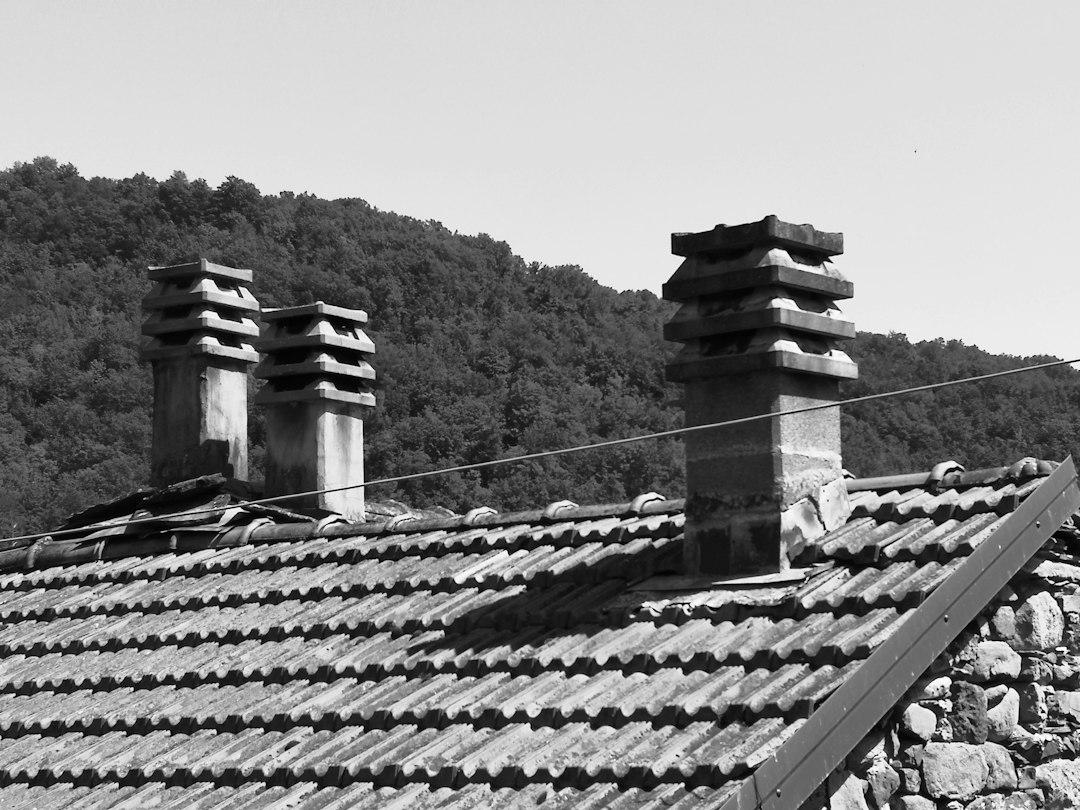
Brick and mortar work is the one part of chimney repair we never price ahead of a visit. This post explains why, what decides the figure on a Downey masonry estimate, and how the choices compare from the smallest job to the largest.
Why masonry has no published price
Crickets and leak tracing come out roughly the same size on most houses, so we can publish a range for each. Caps are quoted after we measure. Masonry does not behave that way. One ranch house stack might need twenty joints filled on the side that takes the weather. The house next door, built the same year by the same crew, might have every course above the roof loose because its crown gave up a decade ago. Pricing those two from a phone call would mean overcharging one owner or surprising the other.
So each masonry line on our estimate is written after we have been on the roof, measured the stack, tapped the brick and photographed what we found.
The four sizes of masonry job
Most masonry estimates in Downey land on one of four sizes, and some chimneys carry two of them at once.
Repointing
The worn mortar between the bricks is cut back and filled with new mortar, and the bricks themselves stay put. It suits a stack where the bricks are firm and only the joints have eroded. It is the smallest job and it buys the most years per dollar, as long as it is done before the bricks begin to move.
Relaying the top courses
When the top few rows have come loose, usually because water came through a failed crown, they are lifted off, cleaned and set again on fresh mortar. The rest of the stack is left alone.
Rebuilding from the roofline
When the brick above the roof has shifted or cracked right through, it comes down to the roof and goes back up new. This is the usual fix after shaking has opened up a stack, and it is often done together with steel ties back to the house framing.
Going deeper
This is rare. Now and then the damage carries on into the attic, or the brick is soft well below the roof. The estimate then says how deep we expect to go and why, and what we will do if the brick below is worse than expected.
What moves the figure
- Area of brick involved. More faces and more height mean more labour.
- Height above the roof and roof pitch. Tall stacks on steep roofs need staging.
- Matching the brick. Many Downey houses have a common red brick that is easy to match. Some have used brick or a glazed face brick that takes some hunting.
- The top of the stack. Rebuilding the top usually means a new crown and cap as well, which appear as their own lines.
- How the fireplace is used. If it will keep burning wood, any liner work that follows a rebuild is priced next to it.
If you would like a figure for your own chimney, describe in the form which faces of the stack look worn and whether any bricks feel loose, and we will book a roof visit.
Seismic work on the same visit
Downey sits next to Whittier, and the 1987 Whittier Narrows quake is part of the reason so many local stacks show hairline cracks near the roofline. If the estimate already includes a rebuild from the roof up, that is the natural moment to add bracing or straps that tie the upper chimney to the framing. Done together, the two jobs share one setup.
Bracing can take more than one form, and our seismic retrofit page describes them in general terms. On the estimate, retrofit sits on its own line so you can see what it adds and take it or leave it.
Options side by side
A typical estimate for a stack with a failed crown and loose top courses might show three routes:
- Route A: relay the top courses, cast a new crown, fit a cap. Deals with the water path and the loose brick.
- Route B: everything in Route A, plus repointing the rest of the stack above the roof. Adds years to a chimney whose lower joints are starting to go.
- Route C: rebuild from the roofline with bracing, a new crown and a cap. The longest lasting answer, and the one we suggest when the stack has moved.
Each route carries its figure, what it fixes and what it leaves alone. No route is presented as the only choice unless it truly is, and when it is, we say why in writing.
What can wait in masonry
Flaking brick faces that are not letting water in, worn joints inside the attic, and staining on the brick can usually wait. Loose brick above the roof cannot, because it can fall. Open joints right next to the flashing cannot either, because they feed water into the attic.
When a report has to follow
If the house is being sold, or an insurer or lender wants paperwork, the masonry work can be followed by a camera recheck so the file shows the finished job. Our up to code repairs page explains how we rank structural items after a failed report.
Further reading
For a masonry estimate with every route on paper, use our contact page to set up the visit.
Want This Article Turned Into Your Numbers?
Whitlock Chimney Contractors prices chimney repair, masonry and fireplace remodels from Downey. After the inspection you get a written estimate with each repair on its own line, a cheaper route where one is sound, and a note on what can wait.