Every chimney estimate we write in Downey has a heading called "when it suits you". This post is about the middle of the page: the water and fitting repairs that sit between urgent and optional, and how to tell which of them can safely sit for a season and which cannot.
The test we apply
Two questions decide whether a repair can wait. Does it let water into the masonry, or heat toward the house? And will it cost more next year than it does today? If both answers are no, the item can usually wait. If either is yes, it moves up the page.
Southern California rain is the reason this matters. Downey can go months without a drop, then take several storms in a few weeks. Water that soaks into brick during those weeks stays there, and when the sun returns the joints around it are a little softer than before. The damage is slow, and it adds up.
Crown repair
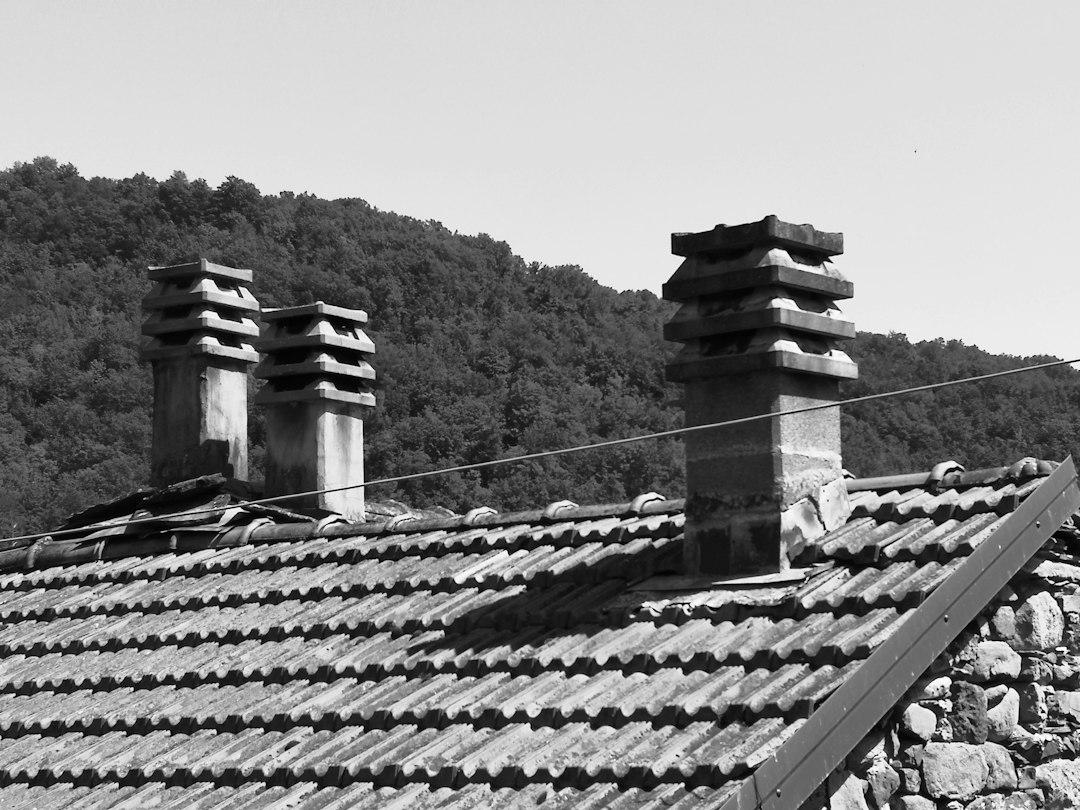
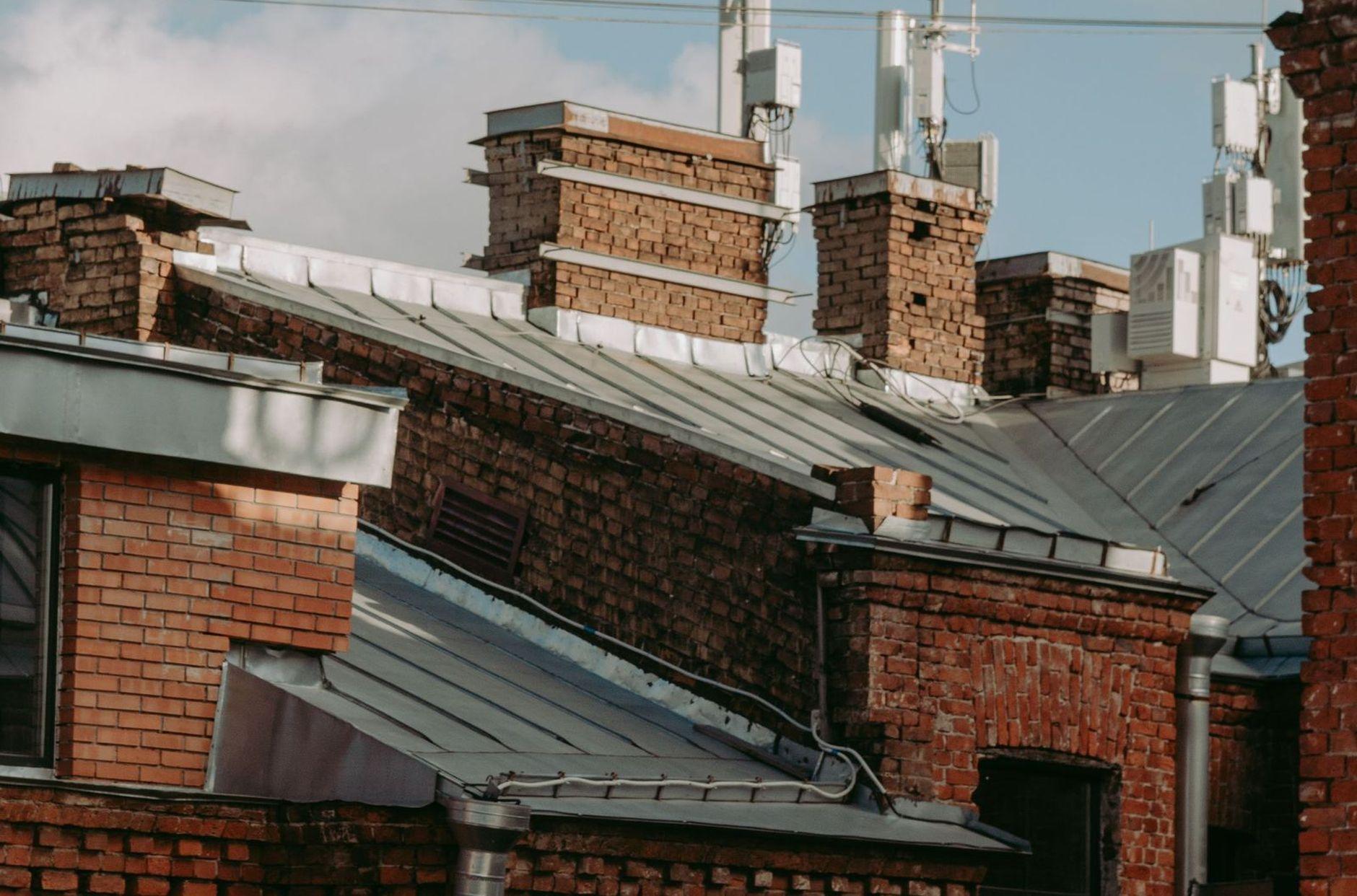
The crown is the slab of mortar or concrete on top of the brick. Once it cracks, rain runs into the middle of the stack.
- Can wait: fine surface lines on a crown that is still bonded to the brick and still drains. We note them and look again on the next visit.
- Should not wait: cracks wide enough to slip a coin into, a crown that rocks or has lifted, or one with no lip, so water runs straight down the brick face.
The lower cost choice is a flexible coating over a slab that is still sound. The higher cost choice is breaking the old slab out and casting a new one with a lip. Both are written on the estimate with their figure, and our crown repair page goes further.
Leak repair
A leak has to be found before it can be priced well, because the stain indoors is seldom right under the cause. Water can get in at the crown, the cap, the flashing, or through the brick itself, and then travel along framing before it shows on a ceiling.
- Can wait: almost never, if water is coming in now. Wet framing and wet ceiling board do not dry out on their own in a closed attic.
- Can be planned: an old stain that has not grown through a whole rainy season, once we have confirmed the source is dry.
Our published range for tracing and stopping a leak is $565 to $3,400. The leak repair page explains what moves a job within that range.
Waterproofing
A water repellent that still lets the brick breathe slows how much rain the masonry takes in. It is an add-on, not a repair.
- Can wait: on a stack with tight joints and a good crown, it is a nice extra. Plenty of chimneys go years without it.
- Should be paired: right after repointing or a rebuild, sealing the new work while it is clean saves a second climb.
We do not put sealer on brick that still has gaps in its joints or a cracked crown above it, because that holds the water already inside. See chimney waterproofing for more.
Chase covers
A factory built fireplace has a framed box on the outside of the house instead of a brick stack, and a sheet metal lid on top. When that lid rusts through or sags in the middle, water pools and drips down inside the box.
- Can wait: surface rust on a lid that still slopes and drains.
- Should not wait: pinholes, a sunken centre that holds a puddle, or rust streaks down the siding.
The usual answer is a new stainless lid shaped to shed water off its edges. Our chase cover page covers the options.
Dampers
A damper that sticks or will not shut fully lets heated air escape in winter and lets birds and leaves in all year. On its own it is rarely a safety item.
- Can wait: a stiff handle, a plate that closes but not snugly, light rust.
- Should not wait: a plate jammed shut or half shut on a fireplace you still use, which sends smoke into the room.
Repairing the old plate and fitting a new damper at the top of the flue both appear on the estimate with their figures. More on the damper repair page.
Liners
A cracked or gapped liner is almost never a "can wait" item on a fireplace that is in use. It is the part that keeps heat and flue gas away from the brick and the framing past it. If you stop using the fireplace altogether, a damaged liner can wait until you decide what the fireplace is for, and the estimate will say so in plain words. Our liner installation page sets out the choices.
What decides your next step
On most Downey houses the next step rests on three facts: whether water is getting in right now, whether you burn wood or gas, and whether a sale or refinance is on the way. Water coming in now puts leak and crown work first. Gas only can change what the liner needs. A sale puts everything onto one dated report.
If you tell us in the form whether you see water inside, which fuel you burn and whether a sale is planned, we can turn up with the right ladder and the right questions.
Doing it in stages
Spreading a repair list across two or three seasons is common, and it works as long as the order is right: stop the water, then mend what the water damaged, then add the extras. Turning that order around wastes money. A new damper under a leaking crown is a new damper that rusts.
A sensible split for a typical Downey stack might look like this:
- This season: crown and any active leak
- Next dry spell: repointing the joints the water reached
- Later, if wanted: sealer, a top mounted damper, a new surround
For a closer look at how each line is priced, read how we price chimney repair. For brick that has already gone soft, see masonry repair cost in Downey.
When you want a dated list of what can wait on your own chimney, ask for a visit through our contact page.
Want This Article Turned Into Your Numbers?
Whitlock Chimney Contractors prices chimney repair, masonry and fireplace remodels from Downey. After the inspection you get a written estimate with each repair on its own line, a cheaper route where one is sound, and a note on what can wait.